Talking Mental Health Project
Ground-breaking research is underway looking at how best to support aged care staff to identify and meet the mental health needs of older people in the community.
Overview
Talking Mental Health is a research study partnership between Uniting AgeWell, Flinders University and the National Ageing Research Institute (NARI).
The project looks at guidelines, procedures and implementation strategies to support staff and build confidence around mental health as an aspect of aged care. This project was funded by the Aged Care Research and Industry Innovation Australia (ARIIA) Grants Program.
It aims to co-design and test care protocols that will enable better identification of our customers’ mental health needs and provide improved access to intervention.
Interactive training provides our staff with the tools to proactively recognise our customers’ needs, gain greater understanding of factors impacting mental and emotional wellbeing as we age and offer practical methods to create space for open conversation.
“Home care workers are in a really important position to have open conversations and provide companionship and reduce social isolation for their client and look after their emotional wellbeing,” says Anita Goh, Associate Professor and Clinical Neuropsychologist at the NARI.
Project overview
Understanding Talking Mental Health
The Talking Mental Health project in three phases co-design, staff training and implementation. See the project come to life and learn more about the positive impact to our home care customers’ mental health.
Co-Design Workshop
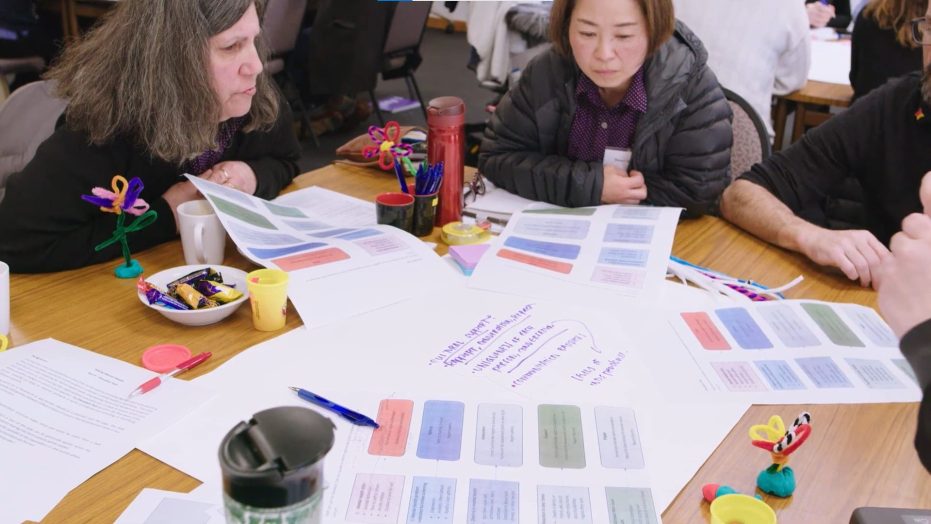
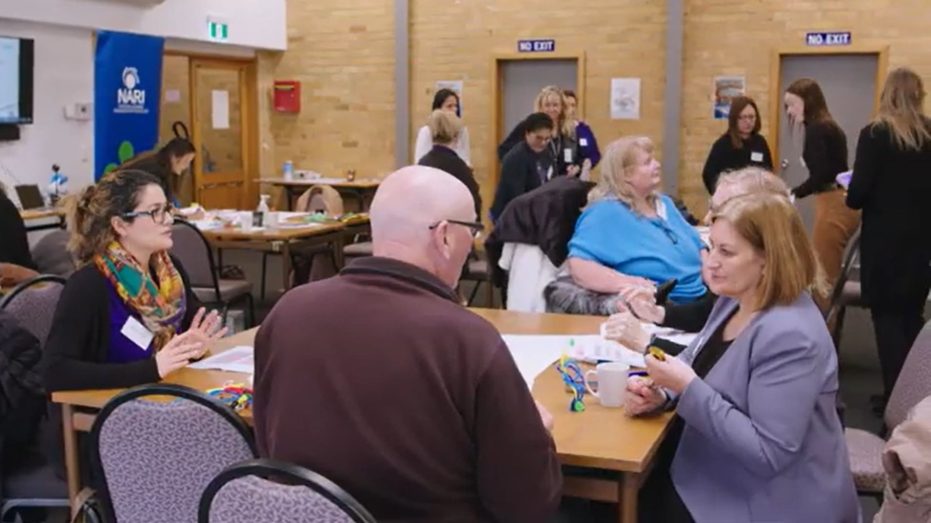
Co-Design Workshop
Uniting AgeWell understands there are a range of factors that impact on the mental health of all people.
There are, however, some factors more relevant to older people that are important to acknowledge.
We learn how we can approach mental health differently, how to ask the right questions and open up a conversation.
Staff Training
Staff Training
Staff Training is designed to provide our team with the skills to better support the mental health of older people receiving home care services.
Interactive training provides our staff with the tools to proactively recognise our customers’ needs, gain greater understanding of factors impacting mental and emotional wellbeing as we age and offer practical methods to create space for open conversation.
Case Study
Case Study
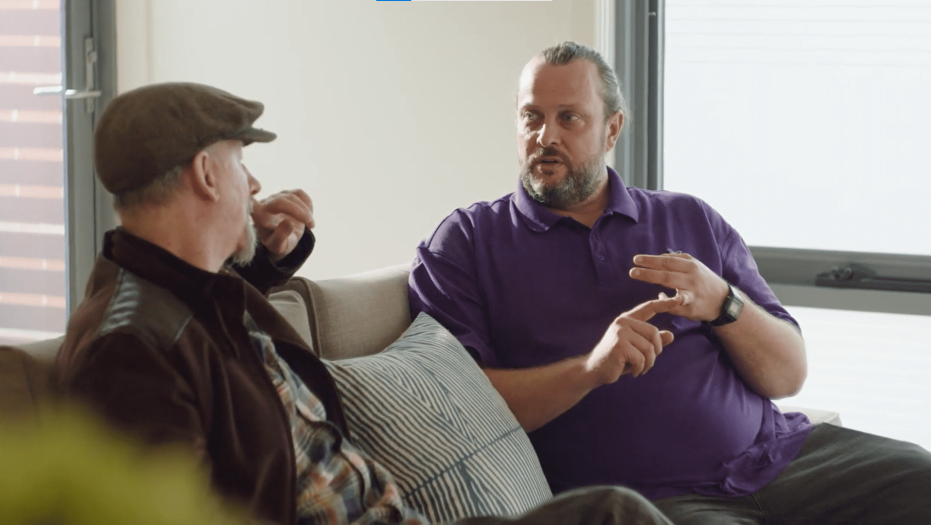
Learn about the fundamentals of the Talking Mental Health project. Mental health progression requires professional, genuine and caring support – where a listener needs to step in to support their healing journey.
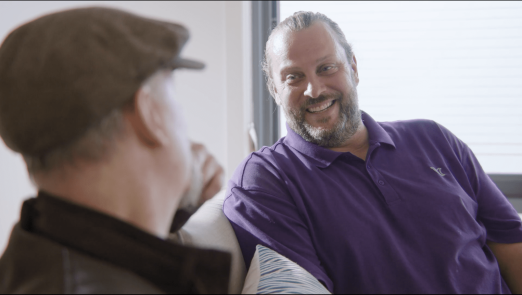
Our home care client, Darryl, was professionally supported by our home care worker, Anthony and the care team in the office. Having set goals and benchmarks, Darryl’s mental health and wellbeing are progressively improved through our project.